How Headout makes choosing experiences effortless
We curate the best ways to experience
We research and organise all unique experiences - from tickets to tours to special combos - so you get all the choices without the clutter.
We partner with the best
Every supplier is vetted for quality, reliability, and value so you only get top rated experiences. No surprises, no disappointments.
All the best options, in one place
Each experience is thoughtfully organised to give you maximum availability, great value and an easy way to choose.
Book with complete peace of mind
Free cancellations, Flexible payments, and 24/7 support - thoughtfully designed for flexibility, assurance, and total peace of mind.
Slide 1 of 41/4


All your questions about Haarlem tickets and tours answered
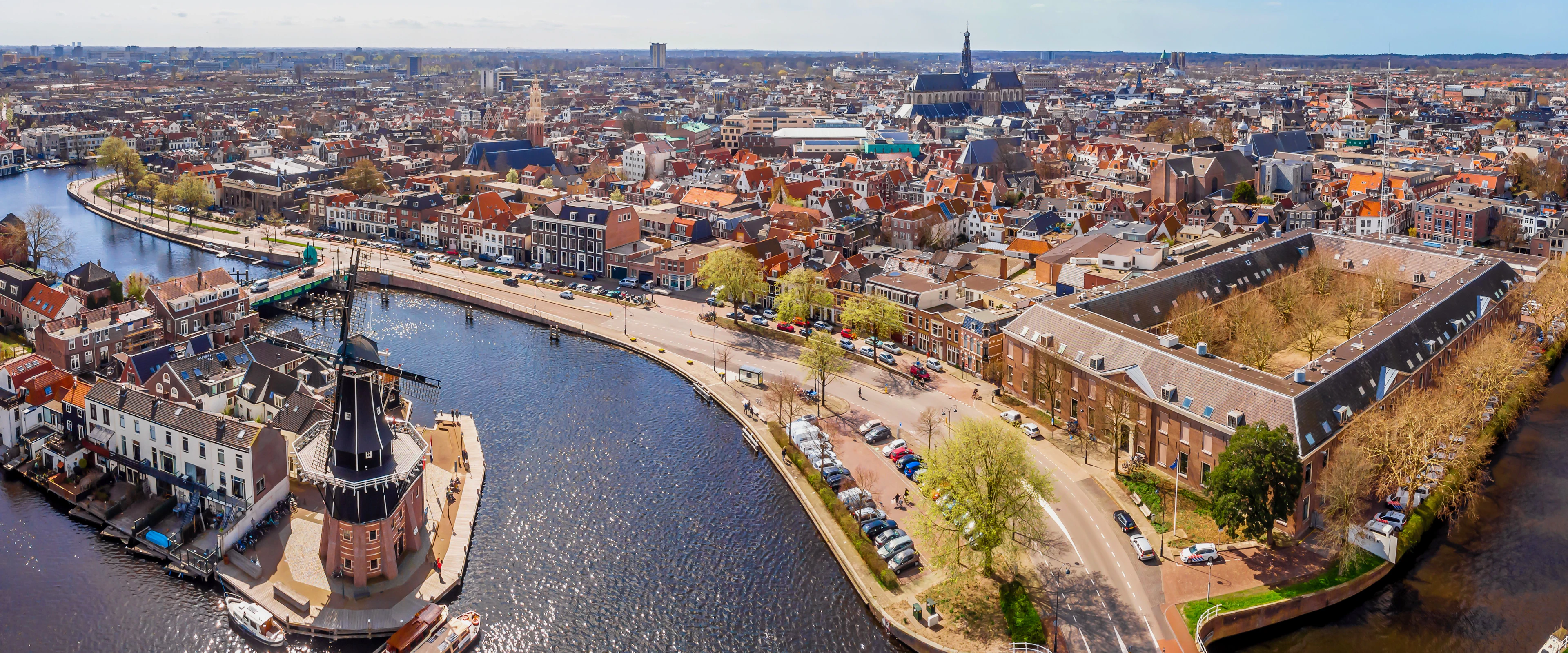
- Grote Markt: The central square, home to the massive Grote Kerk (St. Bavo’s Church). Inside, you’ll find the world-famous Müller organ once played by Mozart and Handel.
- Molen de Adriaan: A stunning 18th-century windmill on the Spaarne River. You can take a guided tour to the top for a panoramic view of the city.
- Frans Hals Museum: Dedicated to the famous Dutch master; it’s split across two locations (Hof and Hal) focusing on Golden Age and modern art.
- Teylers Museum: The oldest museum in the Netherlands (founded in 1778). It’s a "cabinet of curiosities" filled with fossils, scientific instruments, and art.
- Corrie ten Boom House: A moving museum documenting the family that hid over 800 Jews and resistance workers during WWII (reservations are mandatory).
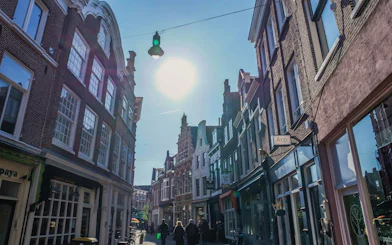
These are the "Golden Streets"—seven charming shopping streets surrounding the Grote Markt. They are famous for independent boutiques, vintage shops, and artisanal craft stores rather than big-box chains.
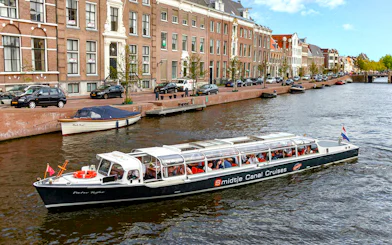
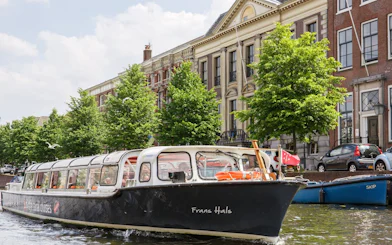
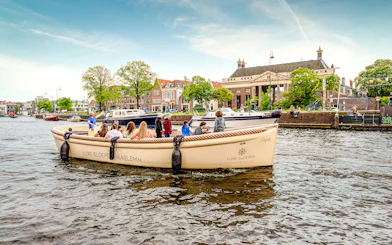
You can choose between large, covered sightseeing boats or smaller, open-air electric sloops.
- Duration: Most cruises last 50–90 minutes.
- Unique Options: Look for "Cheese and Wine" cruises or "Windmill to Windmill" tours that take you further down the Spaarne River.
Absolutely. Haarlem is very compact. A popular DIY route includes walking from the Amsterdamse Poort (the last remaining city gate) to the Hofjes—hidden almshouse courtyards tucked away behind nondescript doors throughout the city.
Yes! While the city center is walkable, a bike allows you to reach the Zuid-Kennemerland National Park or the beaches of Zandvoort in about 20–30 minutes.
That would be Jopenkerk. It’s a former Jacobite church converted into a modern brewery and grand café. They brew traditional Haarlem recipes (some dating back to 1501) right in the middle of the bar.
For the best local experience, try the Saturday market at the Grote Markt for fresh kibbeling (fried fish) or a stroopwafel. For a sit-down meal, the streets Kleine Houtstraat and Warmoesstraat are packed with cozy cafes.
Trains run every 15 minutes from Amsterdam Centraal. The trip takes about 15–19 minutes and costs roughly €6.50 (one-way). Tip: You can now tap in and out directly with your contactless debit/credit card (OV-pay).
Yes. During the spring (March–May), Haarlem is a great base for the Keukenhof. You can take a direct bus (Line 850 or 50) from Haarlem station straight to the flower fields.
Yes! The card covers entry to the Frans Hals Museum, Teylers Museum, and Molen de Adriaan. However, it does not cover the train fare from Amsterdam to Haarlem (though the "Amsterdam & Region Travel Ticket" does).
You can buy tickets for major attractions like the Frans Hals Museum, Teylers Museum, and Molen de Adriaan directly at their respective entrances. For canal cruises, ticket booths are located along the Spaarne River near the Teylers Museum.
Yes, and it is highly recommended. Popular spots like the Corrie ten Boom House require advanced online booking (often weeks in advance).
Haarlem is a historic Dutch city and the capital of the province of North Holland. Founded in 1245, it is famous for its "hofjes" (hidden courtyards), world-class art history, and its role as a major center for the tulip trade.
It is located in the western Netherlands, just 15 minutes west of Amsterdam by train. It sits on the Spaarne River and is only about 7km from the North Sea coast.
While you can see the main highlights in one full day, staying for two days allows for a more relaxed pace, time to explore the hidden hofjes, and a trip to the nearby national park or beach.
Yes. You can cruise the canals by boat, cycle to the Zuid-Kennemerland National Park to see wild bison, or head to the Zandvoort beach for kitesurfing and swimming.
Very much so. It’s quieter and less "gritty" than Amsterdam. Kids love the Linnaeushof (Europe's largest playground, located nearby) and climbing the Molen de Adriaan windmill.
Generally, yes. Most major museums (Frans Hals, Teylers) and newer canal boats are accessible. However, be aware that the city center has many cobblestone streets and some historic "hofjes" have narrow, uneven entrances.
April and May are peak months because of the nearby tulip fields and the annual Flower Parade (Bloemencorso). For fewer crowds and cozy vibes, September and October are lovely.
It is slightly more affordable than Amsterdam for dining and accommodation, but still follows Western European pricing. Expect to pay €15–€25 for a mid-range lunch and €3.50–€5 for a local craft beer.
- Haarlemmer Halletjes: Traditional spicy, hard biscuits.
- Jopen Beer: Specifically the "Koyt" brewed according to a 1407 recipe.
- Fresh Herring: Available at the Saturday market on the Grote Markt.
- Stamppot: Hearty mashed potatoes and veg, perfect in winter.
- Free Organ Concerts: Held frequently in the Grote Kerk during summer.
- Self-Guided Hofje Walk: Many of the city's 21 hidden courtyards are free to enter.
- The Saturday Market: Great for cheap, delicious street food.
- Hiking: Entry to the nearby National Park is free for hikers and cyclists.
Absolutely. It offers the quintessential "Dutch experience"—canals, windmills, and masters' art—without the overwhelming tourist density of the capital.